Ask a yes-or-no question
Write one question, about a decision that is yours to make, that can be answered with a yes or a no — ideally with a time frame. Then choose how many cards to open: one, three or six.
Get a free yes or no tarot reading: type your question, draw a card, and get a clear answer with an explanation written for your question, not a generic card text.
AGAT reads yes or no questions online, at no cost to start. Ask one clear question, draw one, three or six cards, and see which way they lean and the reason behind the answer.
Write one question, about a decision that is yours to make, that can be answered with a yes or a no — ideally with a time frame. Then choose how many cards to open: one, three or six.
Every card in the deck leans one of three ways — yes, conditional / not yet, or no — with a strength of its own. The direction and its strength shape the answer. One card gives a sharp answer. With three, the middle card answers and the two beside it give the context: they may strengthen or qualify it, echo the same message, or show where it is playing out. With six, one row shows the situation now and the other where it is heading.
Sometimes you want a focused answer, not a broad forecast. The guide below shows how all 78 tarot cards lean in a yes-or-no reading, how to read conditional answers, and how AGAT’s one-card and three-card methods work.
A yes / no answer is a reading of a lean — where things point right now, given what is known — not a promise.
The most direct form. Ask a closed question, draw a single card, and read it as the answer. Its strength is sharpness: there are no positions to weigh against each other — one card, one direction.
The form we recommend is not a bare “yes” but “yes — if…” The answer stays clear, while the condition makes it useful. A single card almost always points to what needs attention before you act.
“Should I accept the job offer?”
Yes
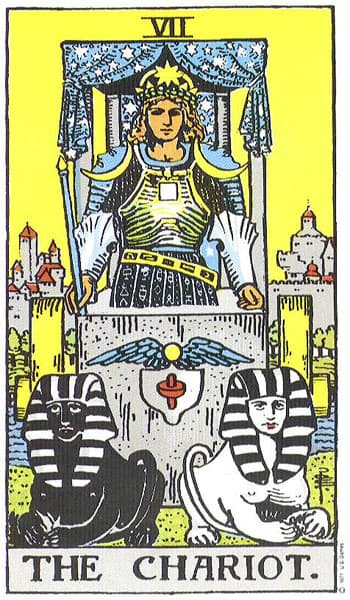
The Chariot · direction · determination
Yes — if…
you keep hold of the reins. The Chariot moves forward when someone steers it — decide up front where you want the role to take you, rather than letting it take you.
Draw three cards. The middle card is the answer, and the two beside it explain how to read that answer. They may echo the same message, locate it in an area such as money, love or work, add a condition, or show what supports and complicates it. This is not a two-against-one vote: read the middle first, then ask what each side card adds.
Not every card weighs the same: The Tower beside a mildly supportive answer weighs more than the Five of Wands. That is why we show the answer as a position on a line, not only as a word.
AGAT’s SOS method is a Center + Context reading: the center card carries the main message and the side cards show where it lands, what supports it, or what complicates it. A yes / no reading is one focused use of that method — the center gives the answer, while the side cards explain it.
“Should I launch the business this year?”
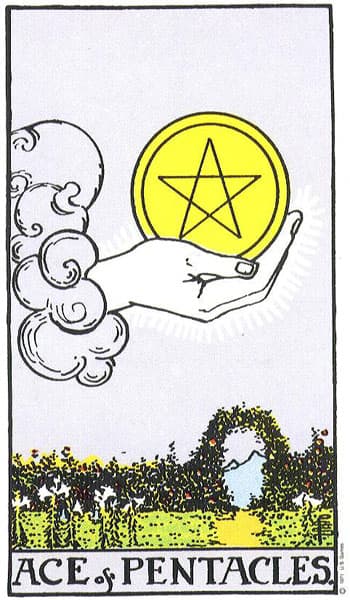 Ace of PentaclesLeans yes
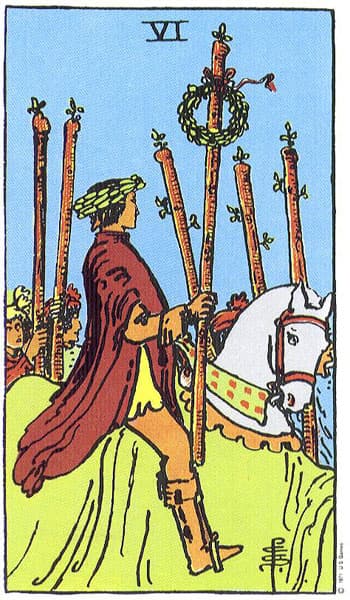 Six of WandsLeans yes
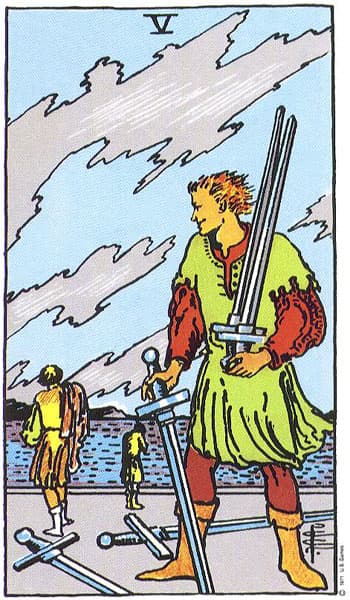
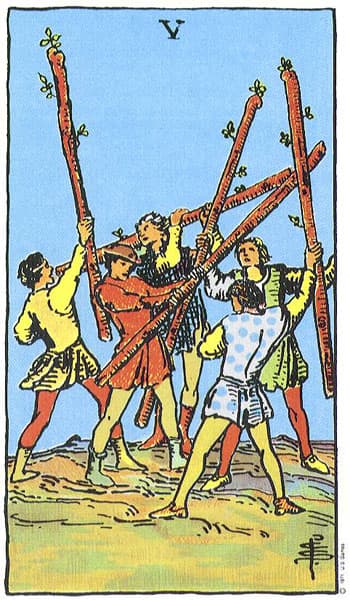 Five of WandsLeans no
The center card leans yes; one side card strengthens it and one adds friction — yes, with a caveat
The Six of Wands in the middle is the answer: recognition, yes. The Ace of Pentacles beside it supports it — a real opportunity. The Five of Wands beside it blocks — it does not overturn the answer, it says what to prepare for: competition and friction along the way.
Every card in the AGAT deck has a fixed yes-or-no direction, shown on a five-step scale. The words matter more than the number: from Strong Yes through Conditional / Not Yet to Strong No.
Yes. The card says go, without a real reservation.
Yes — if… A positive direction that asks for patience, preparation, or trust.
Not an answer but an instruction: weigh it, wait, look at it differently. The card hands the question back to you.
No — or not now. Something needs to end, resolve or become clear first.
No. The card warns against continuing down this road.
In some reading traditions the deck is shuffled so that cards can come out upside down, and the direction itself carries meaning. In a yes / no spread this is the simplest traditional method: an upright card reads as yes, a reversed card as no.
The more common reading is not “reversed = the opposite” but “reversed = delayed, inward or weakened”. A card of success, reversed, does not become failure — it points at success that is stuck, delayed, or happening inside rather than outside. A supporting card reversed becomes “not yet” or “yes, with complications”; a blocking card reversed can say the obstacle is clearing.
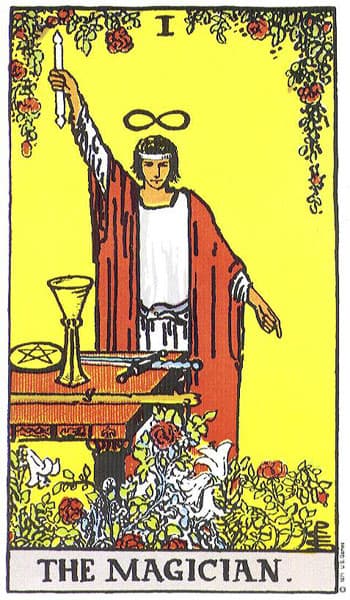
Upright
The meaning at full strength
Reversed
Delayed, inward or weakened
How it works on AGAT
The AGAT deck is always drawn upright. There are no reversed cards, so there is no “upright = yes, reversed = no” here. Instead the lean is read from the card itself — the scale above — and from how it relates to the question that was asked.
Tarot readers use several ways to answer a closed question. The three most common:
Draw one card from a deck shuffled with reversals.
Upright = yes · Reversed = no
Draw three cards and decide for each whether it is positive, negative or neutral.
Two or three positive = yes
Turn cards onto a pile until an Ace appears or you reach 13 cards, and do it in three piles.
3 aces = yes · 2 = probably · 1 = probably not · 0 = no
On AGAT the reading rests on each card’s lean and its strength — not on a count, and not on the card’s direction.
A yes / no spread works best when three things are true: the decision is yours, it has two clear options, and it has a time frame.
For open questions, the other spreads give a wider picture.
If you feel pulled to ask the same question again, pause first. A new reading is most useful when the situation, the time frame, or the question has genuinely changed.
The five steps gather into three families. Within each family the difference is strength — and in a three-card reading, a strong card weighs more than a mild one.
Most of the deck leans yes: The Sun, The Star and The World, the Aces, and most of the Cups and Pentacles. A card at step 1 is a yes without reservation; a card at step 2 — like The Fool or the Seven of Pentacles — is a yes that comes with a condition.
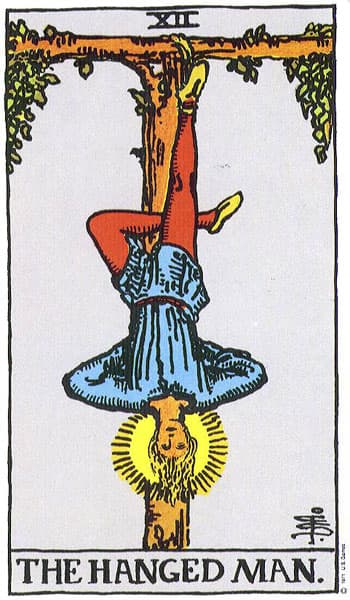
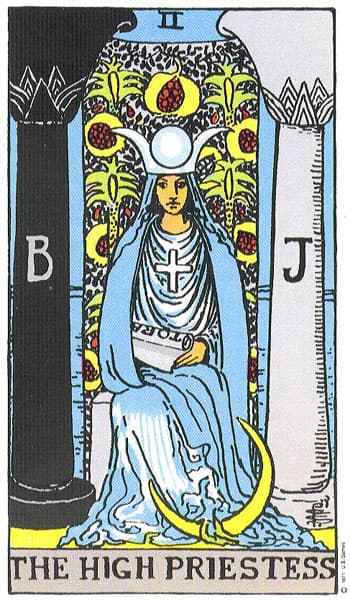
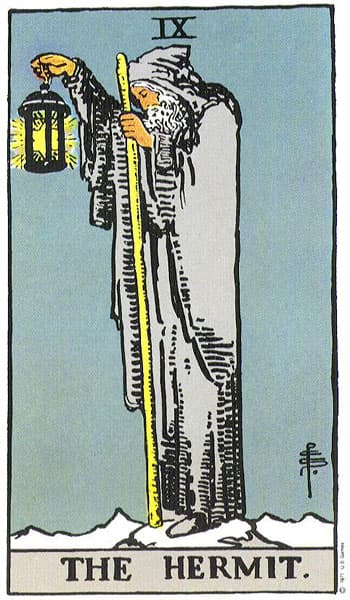
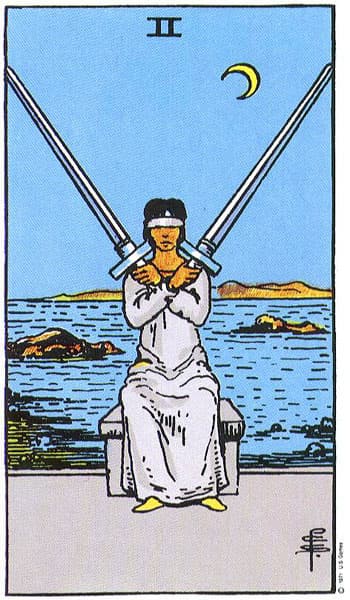
The High Priestess, The Hermit, The Hanged Man, Justice and the Two of Swords do not answer yes or no. They say “wait”, “weigh it” or “look inward”. In a three-card reading they count for neither side — but what they say gives the other two their context.
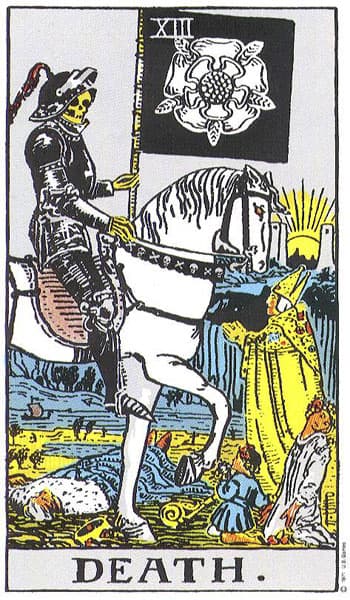
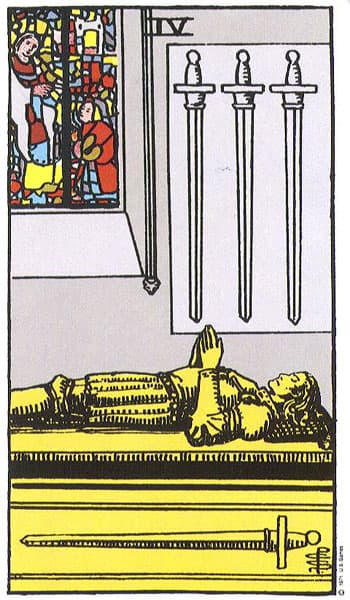
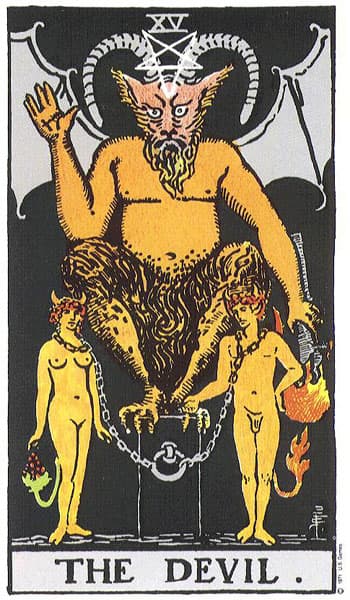
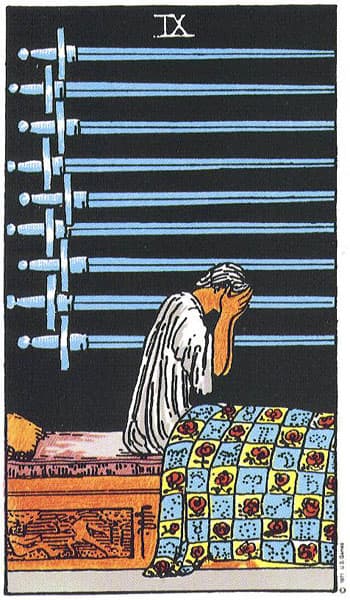
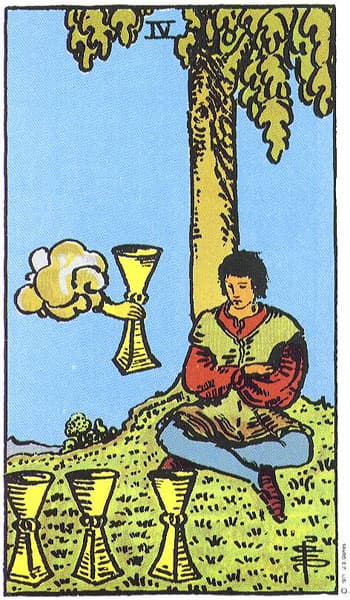
The Tower, The Devil and most of the hard Swords say a plain no. Cards like Death, The Moon or the Four of Cups say “not now” — something needs to end or come clear before the answer can change.
Yes cards
The Magician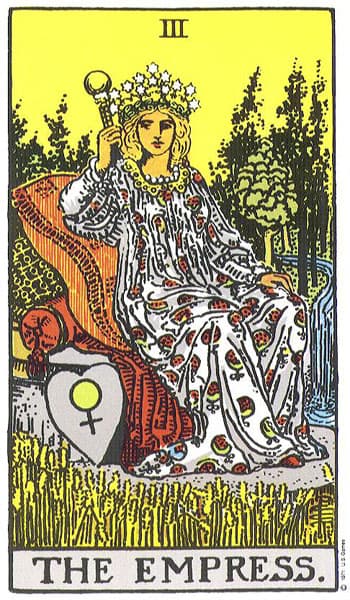 The EmpressThe Chariot
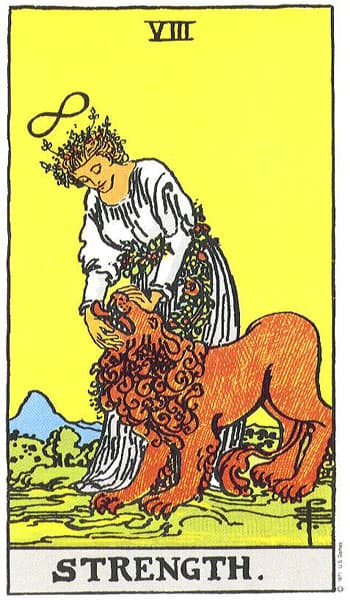 Strength
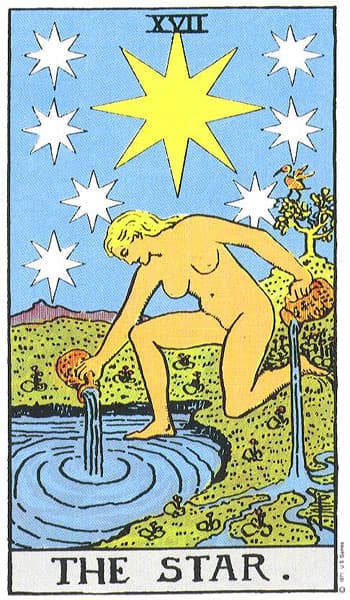 The Star
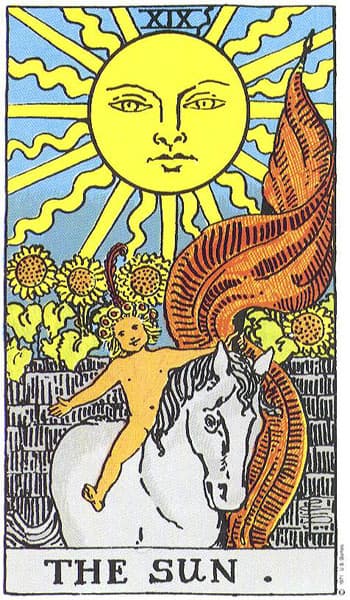 The Sun
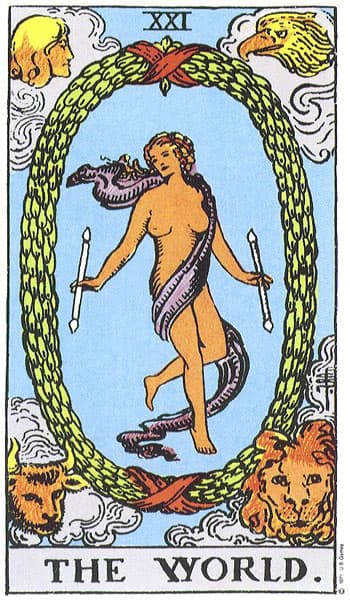 The World
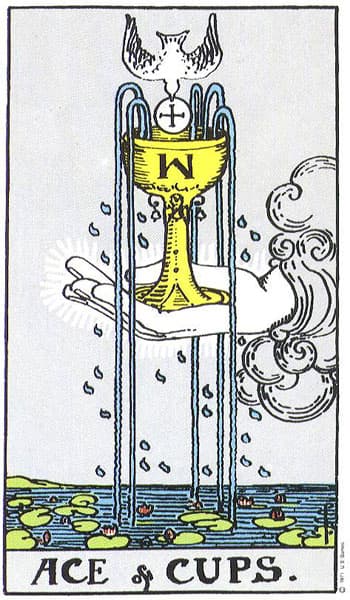 Ace of Cups
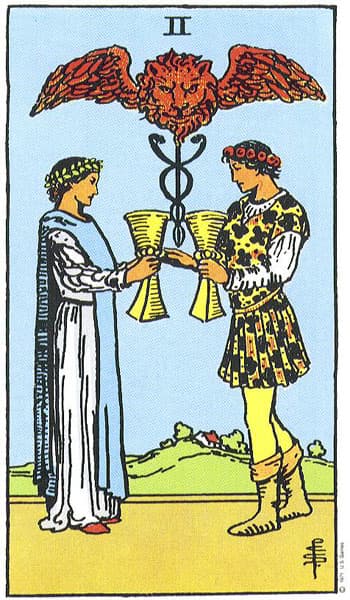 Two of Cups
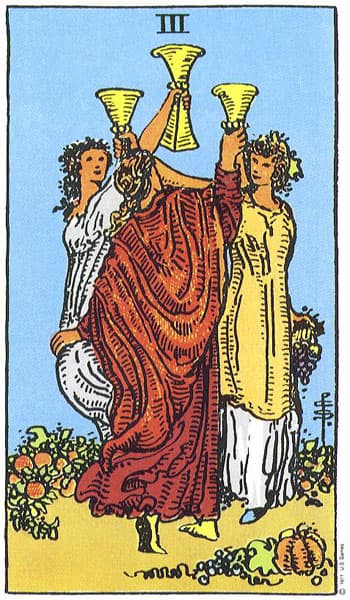 Three of Cups
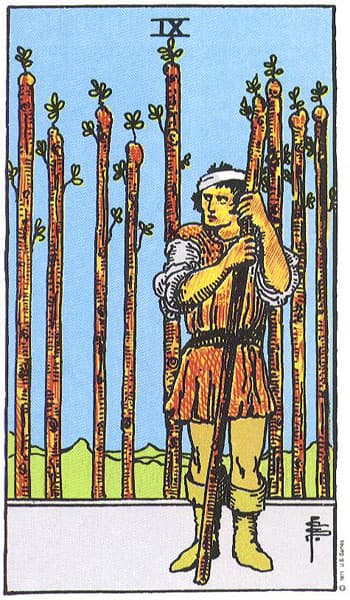
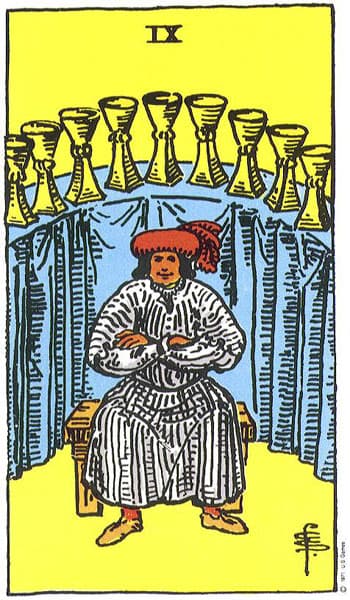 Nine of Cups
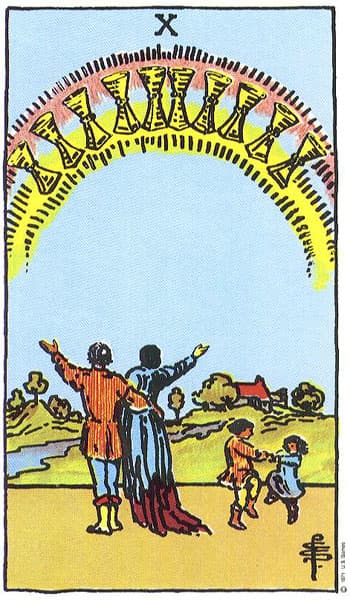 Ten of Cups
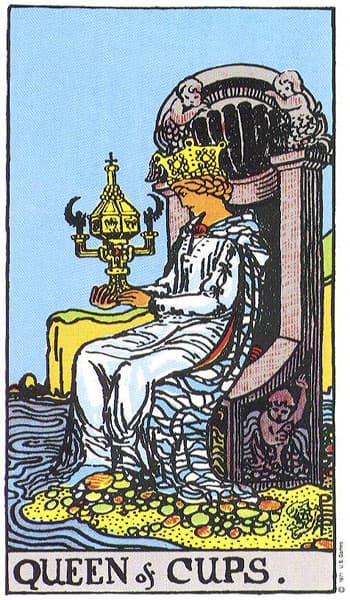 Queen of Cups
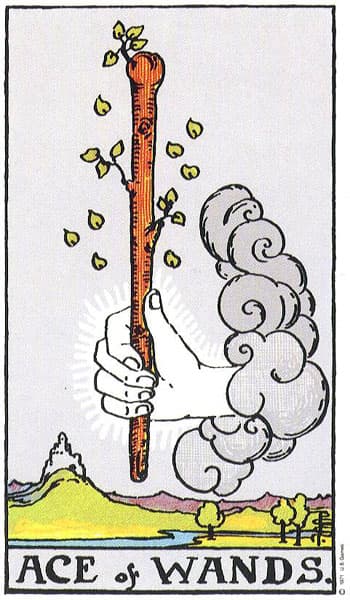 Ace of Wands
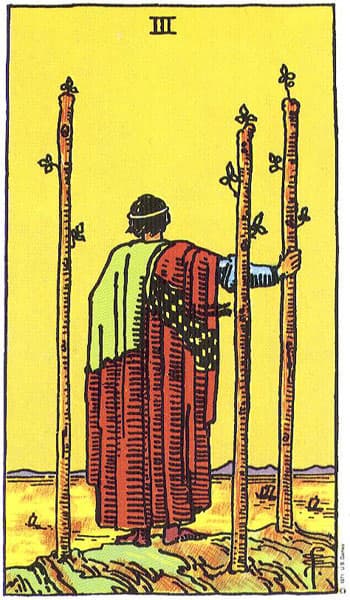 Three of Wands
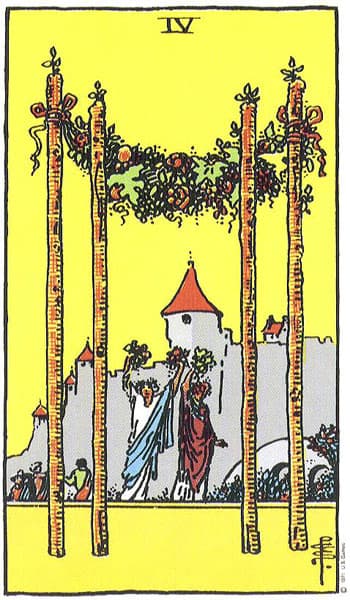 Four of WandsSix of Wands
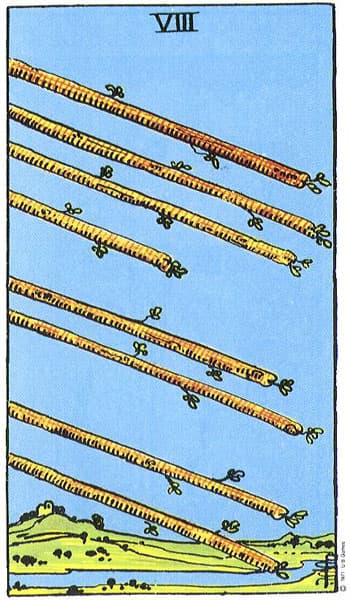 Eight of Wands
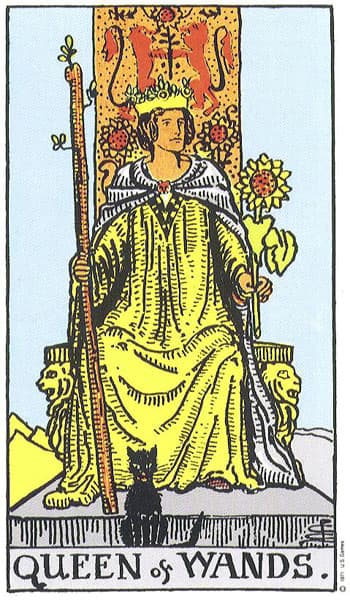 Queen of Wands
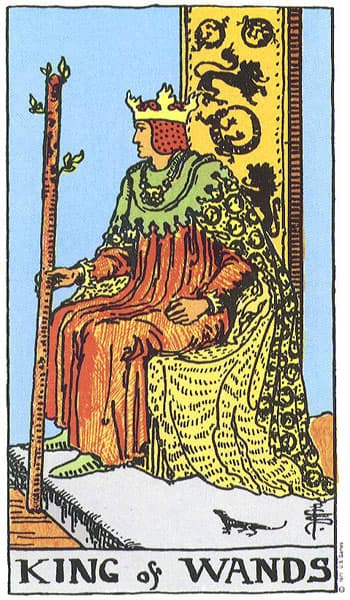 King of WandsAce of Pentacles
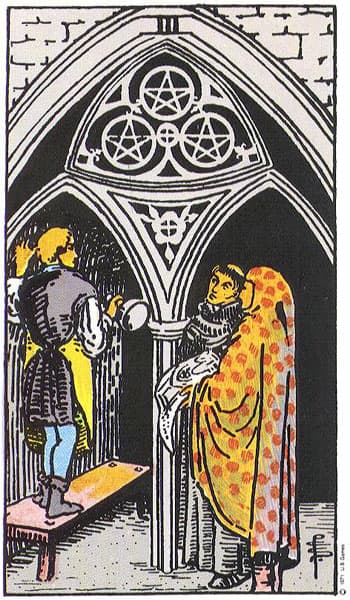 Three of Pentacles
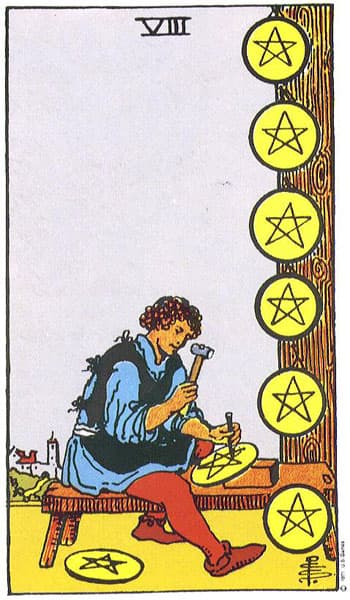 Eight of Pentacles
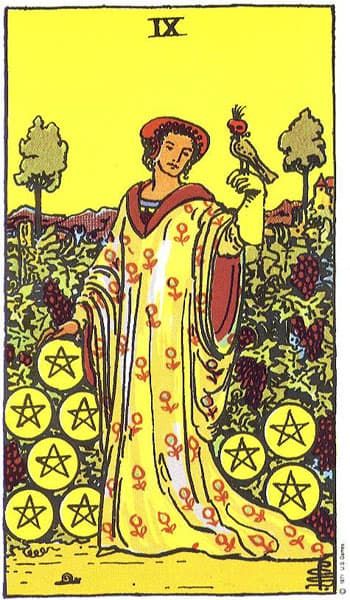 Nine of Pentacles
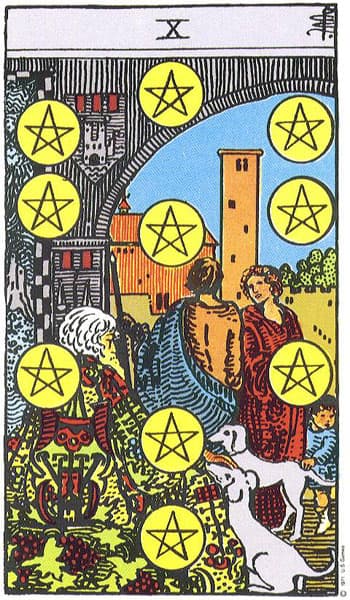 Ten of Pentacles
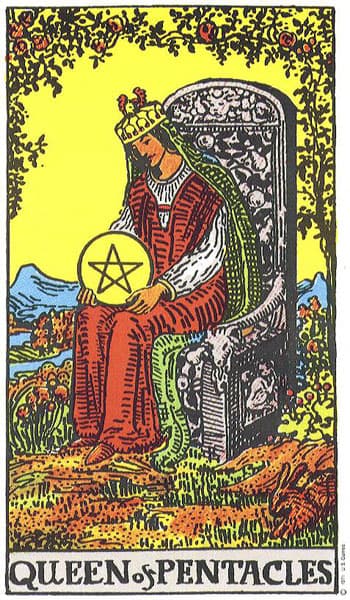 Queen of Pentacles
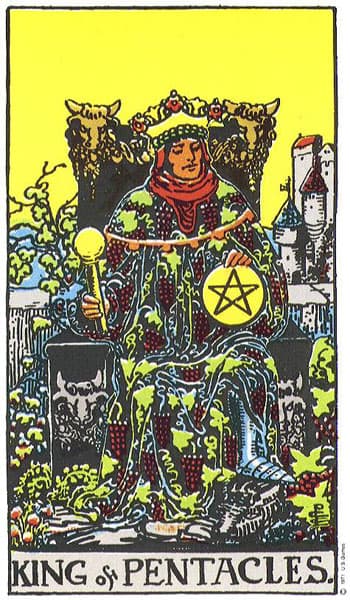 King of Pentacles
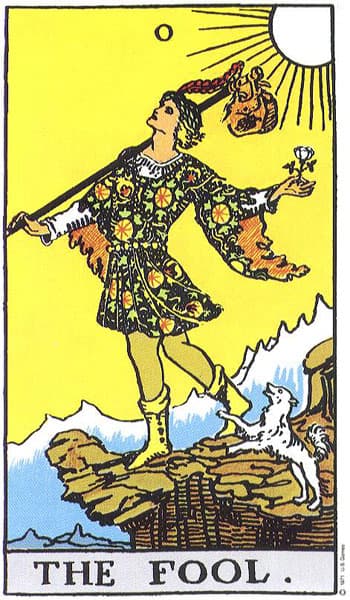 The Fool
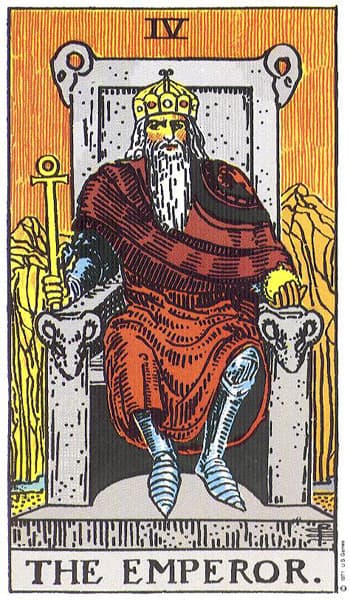 The Emperor
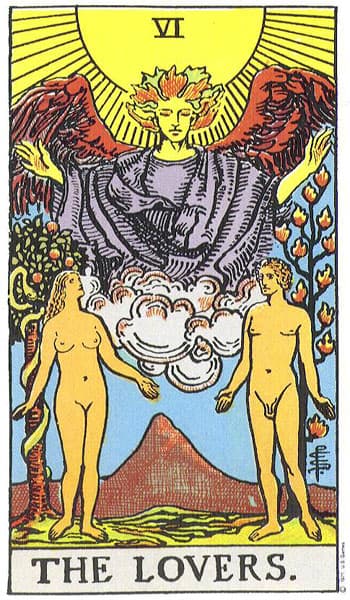 The Lovers
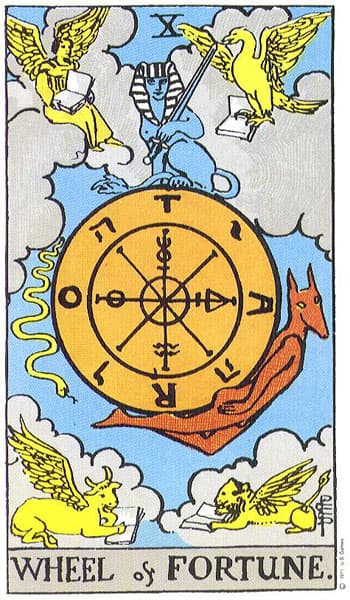 Wheel of Fortune
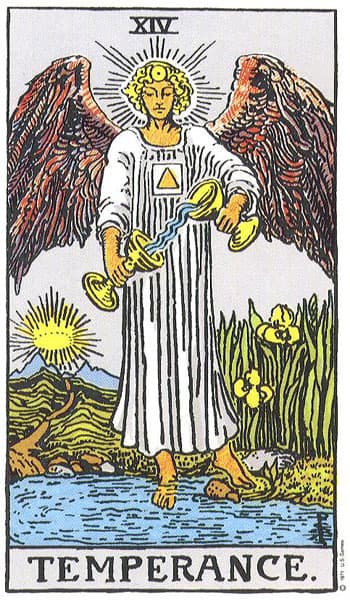 Temperance
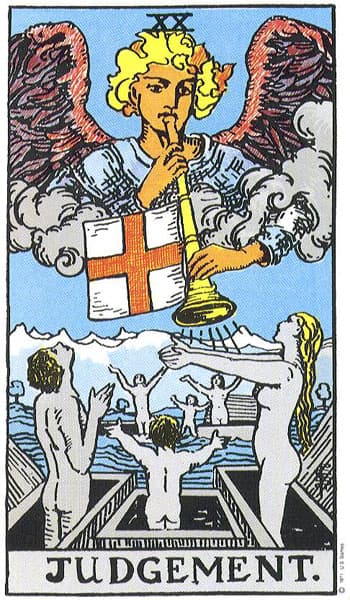 Judgement
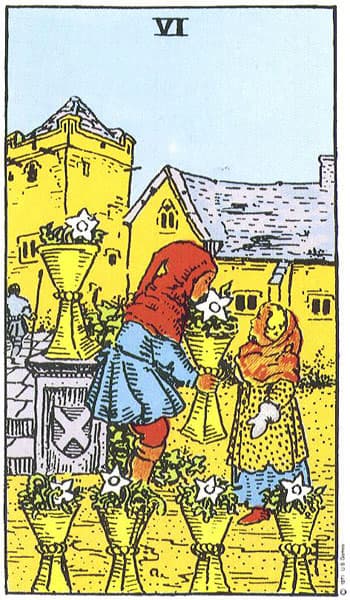 Six of Cups
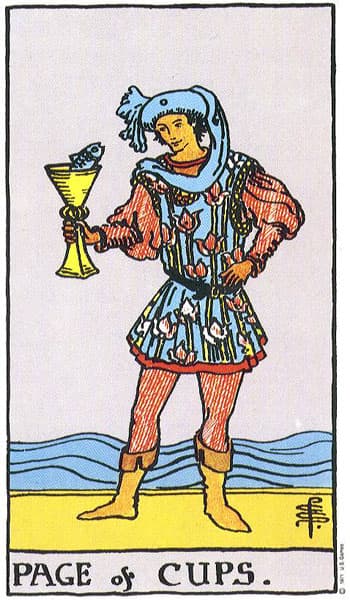 Page of Cups
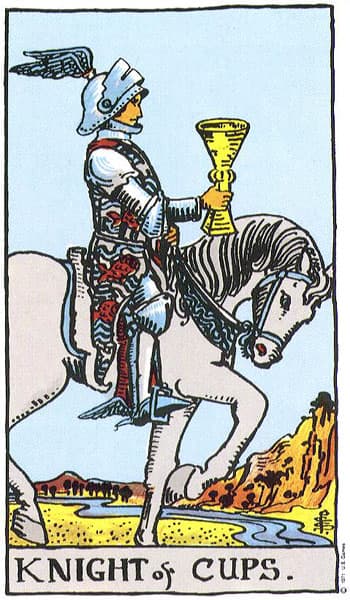 Knight of Cups
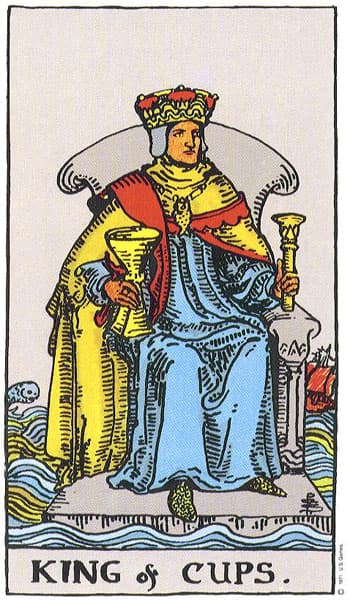 King of Cups
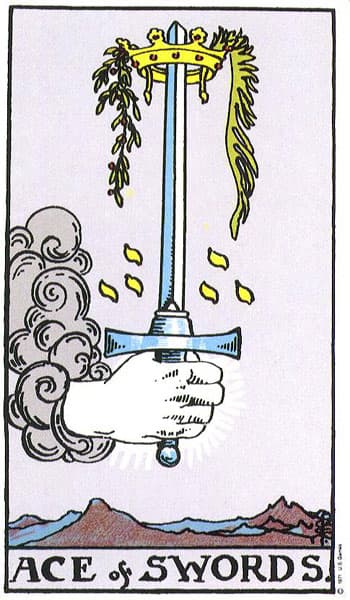 Ace of Swords
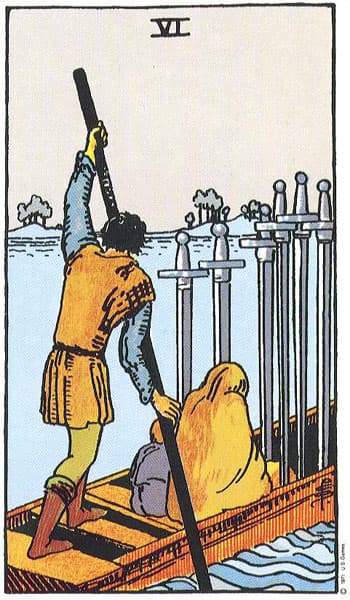 Six of Swords
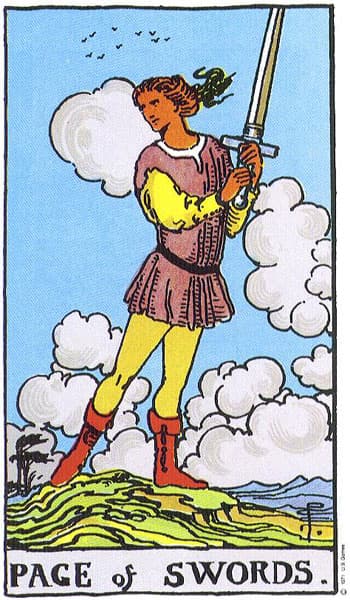
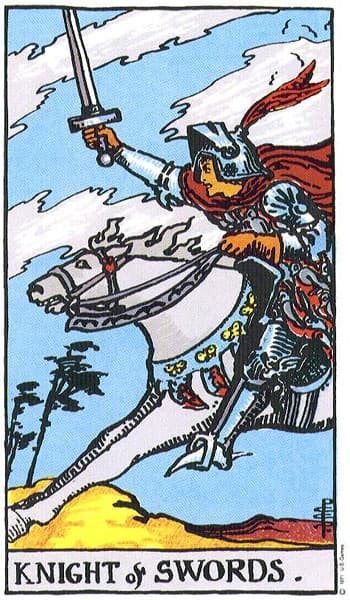 Knight of Swords
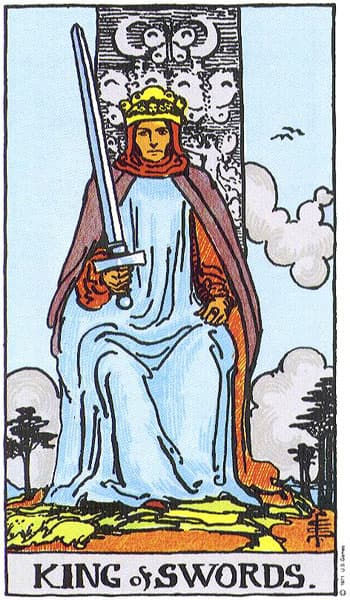 King of Swords
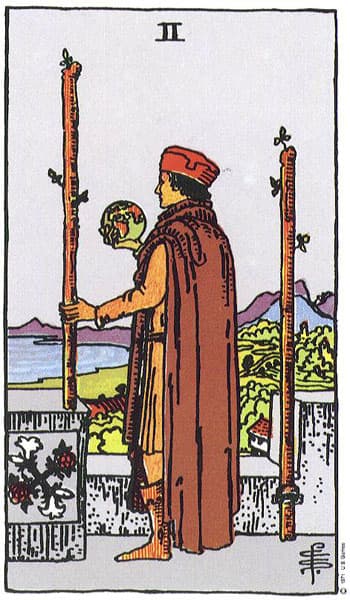 Two of Wands
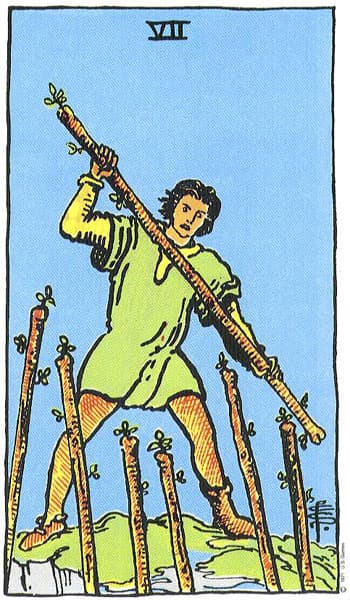 Seven of Wands
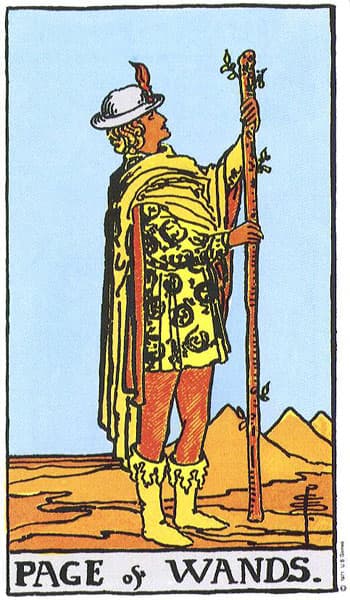 Page of Wands
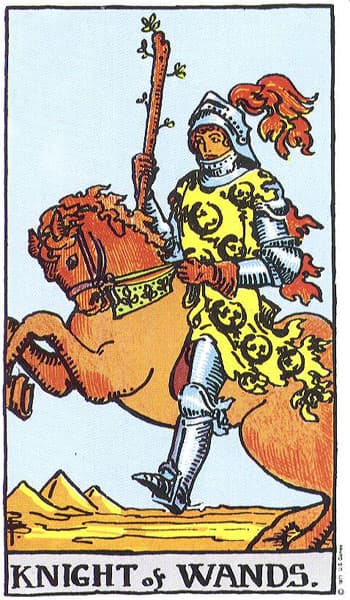 Knight of Wands
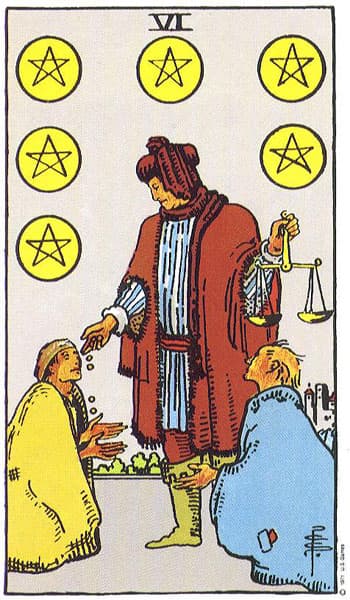 Six of Pentacles
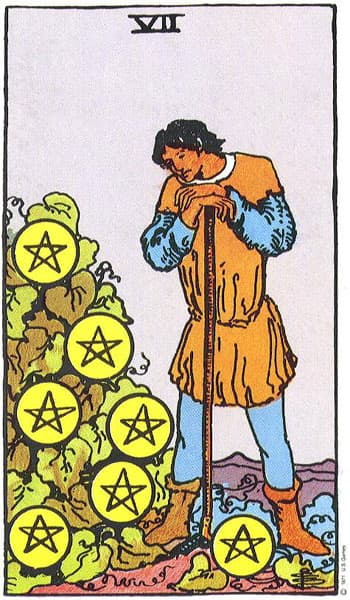 Seven of Pentacles
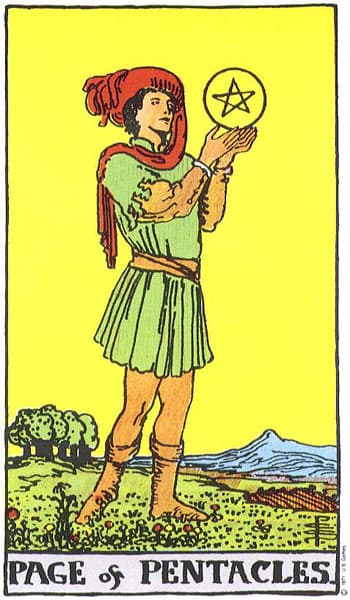 Page of Pentacles
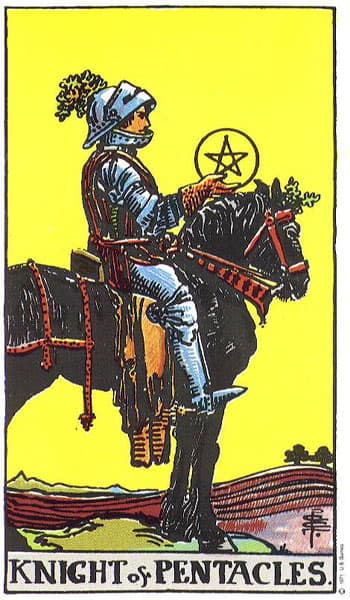 Knight of Pentacles
Conditional / not-yet cards
This is how the lean appears on every card’s page on the site — and what to do with it. Five examples, one for each step of the scale.
Major Arcana
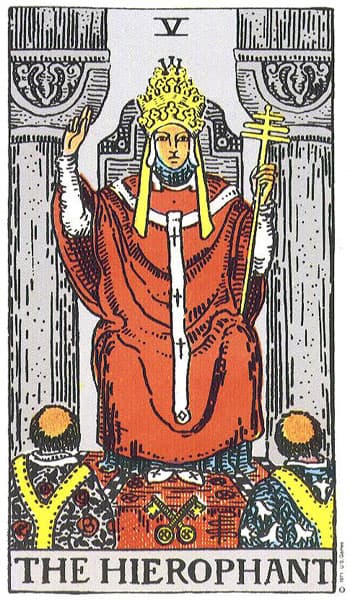
Yes — and the tools are already in your hands
Major Arcana
Yes — if you are ready to take the leap
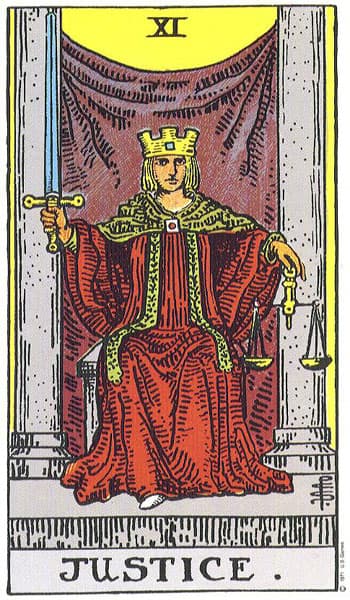
Major Arcana
Neither yes nor no — a weighing
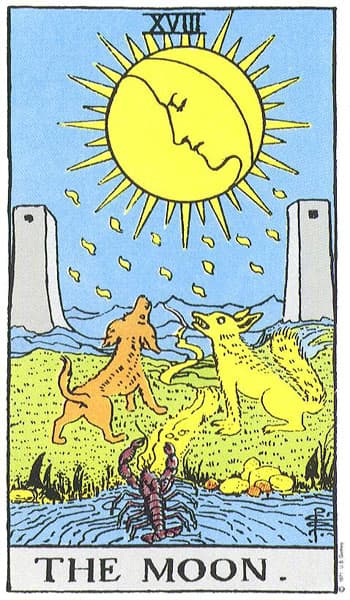
Major Arcana
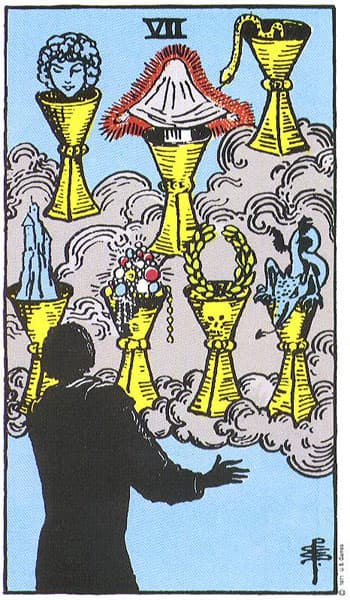
Not now — the picture is not clear yet
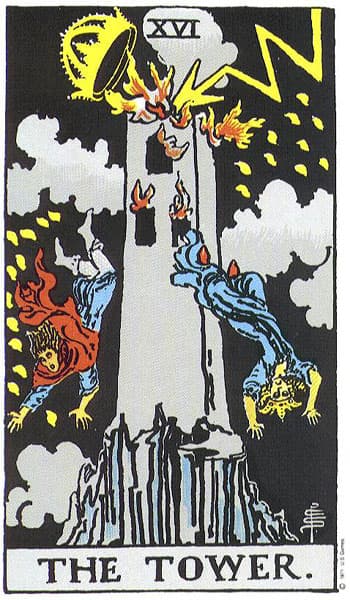
Major Arcana
No — this structure will not hold
Ready for a focused answer?
Ask one clear question and choose a one-, three-, or six-card reading. You will get the direction and the context behind it.
Start a free yes or no reading ✦Free to start · No sign-up · Anonymous by default
You can also try Daily tarot · Tarot cards · All spreads
FAQ
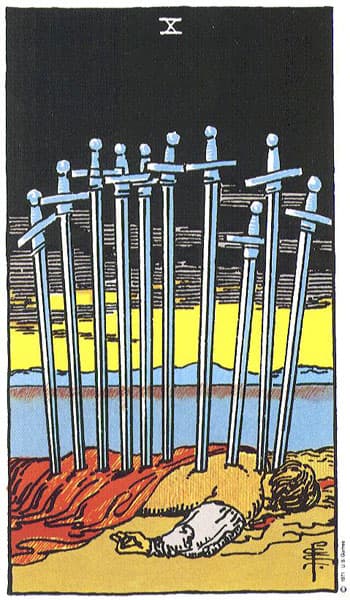
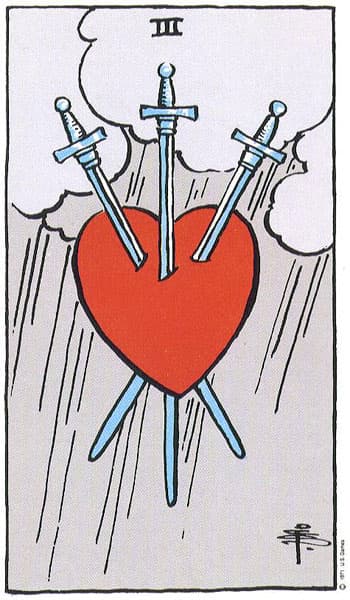
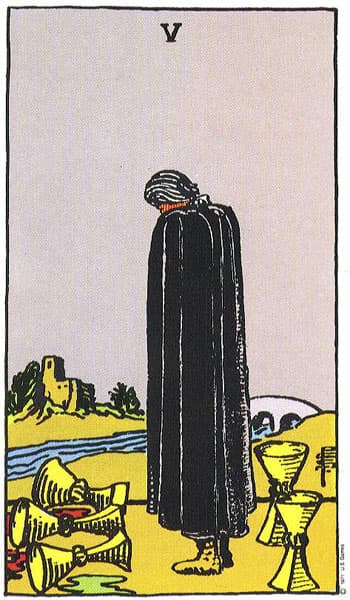
Most cards lean one way. Mostly-yes cards include The Sun, The Star, The World, the Ace of Cups and the Ten of Cups: they support what you are asking about. Mostly-no cards include The Tower, the Ten of Swords, the Five of Cups and the Three of Swords: they point to something that needs to change first. Maybe or not-yet cards, such as The Hanged Man, the Two of Swords and The Moon, say wait, look again or find out more. The card table on this page shows how all 78 cards lean.
Start with a closed question about one thing, ideally a decision that is yours to make, such as "Should I apply for this job this month?" Draw one card. First read its lean: yes, no, or maybe / not yet. Then read the message behind it, because the card's meaning explains why it leans that way and what would help. At AGAT you can also draw three cards, where the middle card answers and the cards beside it add context, or six cards for a fuller picture.
In a yes or no reading, a maybe usually means not yet. The situation is still developing, some information is missing, or a condition has not been met. Cards such as The Hanged Man and the Two of Swords often answer this way. Instead of asking the same question again right away, ask what needs to become clearer, what is holding things up, or what is in your hands. That turns the search for a quick verdict into an understanding of the process the cards are showing.
A yes or no reading shows the energy or lean of your situation right now, not a fixed outcome. The cards are drawn at random, and their meaning reflects where things seem to point given what is known today. Your choices, timing and other people can all change the picture. That is why a reading is most useful for clarity: noticing how you feel about the answer and what the card asks of you. Treat it as one input, not as the final decision. You stay the one who decides.
You can, but wait until something has changed: new information, a step you have taken, or simply time passing. Asking the same question again right away usually gives a muddier answer, because the reading starts to reflect your worry rather than the situation. If an answer feels unclear, try a different question instead, such as "What would help me decide?" or "What am I not seeing?" Then come back to the original question later, when the situation has had a chance to move.
Tarot is not a substitute for professional help, so don't use it for medical, legal or financial decisions; speak with a doctor, a lawyer or a qualified advisor instead. It also can't reveal another person's private choices or thoughts, and it can't give exact dates. You can still bring these topics to the cards by rephrasing them around yourself. Instead of "Will my partner change jobs?", ask "What do I need to know about how I'm handling this change?" Questions about your own part tend to give the clearest answers.
This website is intended for adults aged 18 and over. Please confirm your age to continue.